
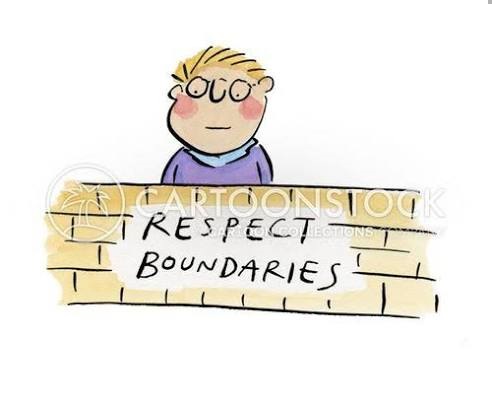
Some people give themselves permission to enter your life without being invited.
They ask about your private affairs, question your choices, tell you what you should do, and eventually begin to speak as if your life were a matter for their approval. They do not see themselves as interfering. In their minds, they are helping. They know better. They are older. They are family. They have lived longer.
And sometimes, culture gives them the confidence to believe they have earned the right to decide for you.
But the moment you say no—the moment you refuse to accept their advice as an order—the story changes.
They forget the intrusion.
They forget the questions you never invited.
They forget the advice you never asked for.
They remember only your reaction.
Suddenly, you are rude. Ungrateful. Difficult. Not respectful enough.
Psychologically, something important is happening here. When people become accustomed to having access to your decisions, your independence can feel like a loss of control. Your refusal does not simply reject an opinion. It challenges a position they believed they occupied in your life. And when people feel that their control is being taken away, they do not always experience your autonomy as autonomy. They experience it as disobedience. This is why a simple “I will decide for myself” can provoke a reaction far stronger than the situation seems to justify. The issue is no longer the decision itself. It becomes a struggle over who has the right to decide.
This is one of the quietest forms of social control: the invasion is normalized, while resistance is condemned.
You are expected to remain silent when someone crosses your boundaries, but remain polite when you defend them. You are expected to listen to opinions about a life they have never lived, goals they have never pursued, and choices they would never have made themselves. And when you insist that your life belongs to you, they interpret your independence as arrogance.
There is also a psychological distortion in the way such situations are judged. People often focus on the visible reaction rather than the invisible accumulation that produced it. They see the moment you finally become angry, but not the many moments before it when you were questioned, pressured, dismissed, or expected to remain silent.
The reaction becomes the evidence. The provocation disappears. And this creates a strange social expectation: someone can repeatedly cross your boundaries, but you are expected to respond as if it were the first time.
But being older does not make someone the owner of your life.
Being family does not give someone unlimited access to your private decisions.
And believing that you know what is best for another person does not make it true.
Sometimes, what people call “advice” is simply an expectation that you will live according to their understanding of life. They are not always asking what you want. They are asking whether you will obey what they believe you should want.
And perhaps the most revealing part is this:
They often demand the right to interfere in your life while refusing to accept that you have the right to refuse them. Then, when you finally stand your ground, they call your reaction the problem. But the reaction was not the beginning of the story. It was the consequence of everything that came before it.
Maybe we should stop asking only: “Why did you react so strongly?”
And start asking: “What happened before you reacted?”
Because sometimes, what is called rudeness is simply a person finally refusing to participate in their own loss of autonomy.