
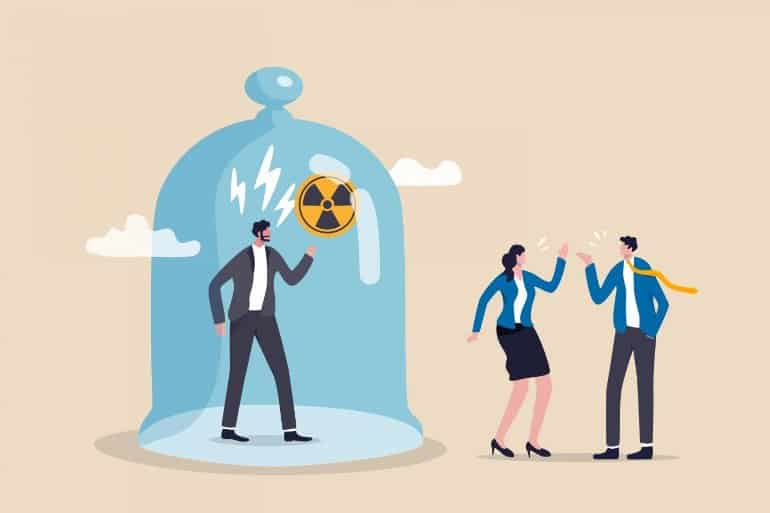
I’ve come to realize that neutrality is often an illusion. In a world divided by loyalties, people rarely judge you solely by your character or your actions. More often, they judge you by whose side you’re on. The last time I checked, good things seemed to be reserved for allies. Refuse to take a side, and your neutrality is quietly reinterpreted as opposition. In their eyes, if you’re not with them, you’re simply an undeclared enemy.
At first, they’ll smile, offer kindness, and make you feel welcome. They’ll treat you with respect as long as it costs them nothing and your presence serves their interests. But kindness built on convenience has an expiration date. The moment your neutrality no longer benefits them—or your existence becomes inconvenient—they won’t hesitate to cast you aside. Loyalty outweighs fairness, and usefulness matters more than principle.
Sometimes, your value to them has little to do with who you are. It lies in who you know. If you happen to have a good relationship with someone they consider an enemy, your connection becomes a tool. They remain close to you not out of genuine respect, but because your presence offers them influence, leverage, or a way to reach someone they cannot reach themselves. They may seek information, shape perceptions, or simply use your position to wound another person indirectly. In those moments, you are no longer treated as an individual—you become a means to fight someone else’s battle.
That is perhaps the harshest lesson: their respect was never truly for you. It was for the role you played, the value you provided, or the side they hoped you would eventually choose. Once you no longer serve that purpose, the warmth disappears, and you realize your neutrality was never accepted—it was merely tolerated for as long as it was useful. When your usefulness ends, so does their kindness, revealing that what appeared to be friendship was, in reality, only a temporary alliance of convenience.