
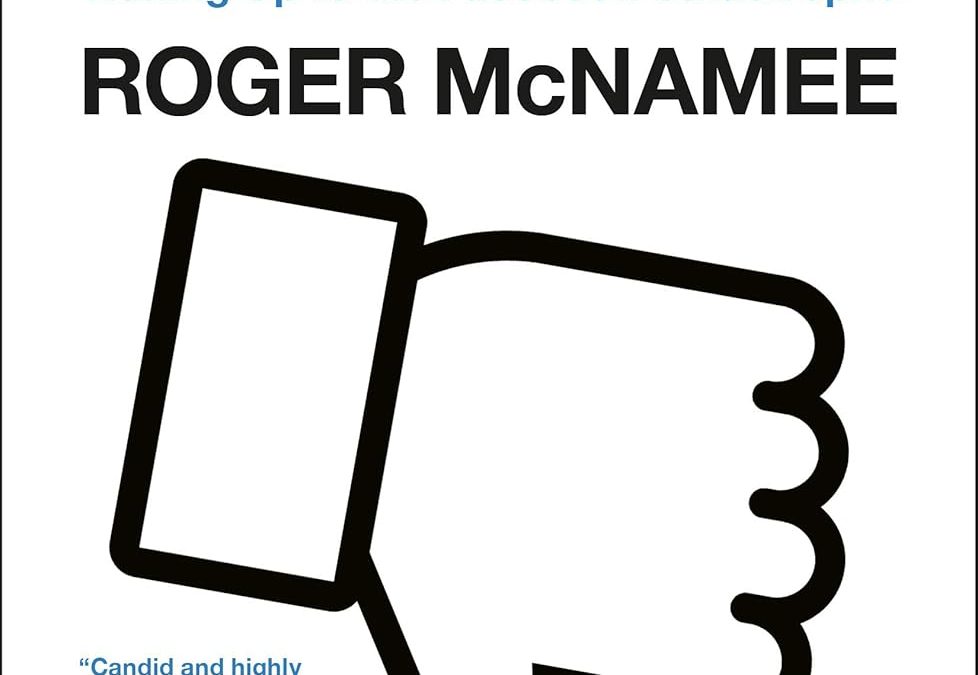
The Big Idea: An early Facebook investor and mentor to Mark Zuckerberg reveals how the platform became a threat—and how his warnings were ignored.
Roger McNamee was an early Facebook investor and advisor who mentored Mark Zuckerberg during the company’s growth phase. “Zucked” chronicles his transformation from enthusiastic supporter to alarmed critic after realizing Facebook’s role in spreading misinformation, enabling foreign interference in elections, and prioritizing growth over user wellbeing.
The book provides an insider’s account of attempts to warn Zuckerberg and Sheryl Sandberg about platform manipulation and harm. McNamee details his growing alarm during the 2016 election, his unsuccessful efforts to get Facebook leadership to take threats seriously, and his eventual decision to go public as a critic.
What Works: McNamee’s insider status gives the book credibility and detail unavailable to outside critics. He can explain boardroom dynamics, company culture, and decision-making processes from direct experience. The personal journey from believer to critic makes the narrative compelling.
The book effectively dismantles the “Facebook is just a tool” defense. McNamee shows how specific design choices—prioritizing engagement, using psychological manipulation, allowing microtargeting—create predictable harms. These aren’t accidents; they’re consequences of deliberate decisions.
Key Revelations: McNamee reveals that Facebook’s leadership knew about platform manipulation, foreign interference, and mental health impacts earlier than publicly acknowledged. When confronted with evidence, they chose minimization and denial over substantive change. The company’s response prioritized reputation management over actually fixing problems.
What Doesn’t: McNamee’s writing can be repetitive, hammering the same points multiple times. His background in finance means some readers may struggle with investment-heavy sections. Critics also note that as an early investor, McNamee profited enormously from the company he now criticizes—though he acknowledges this contradiction.
The book focuses heavily on Facebook, with less attention to other platforms facing similar issues. Published in 2019, it also predates subsequent developments like pandemic misinformation and platform responses to the 2020 election.
Personal Element: McNamee’s genuine anguish about his role in Facebook’s growth adds emotional weight. He clearly struggles with having helped create something that became harmful, and that internal conflict makes the book more than just platform criticism.
Read this if: Understanding Facebook’s internal culture and decision-making matters. Valuable for anyone interested in tech policy, business ethics, or how companies respond to evidence of harm. Also important for those wondering whether platform reforms are possible or if leadership is too committed to the status quo.
The Verdict: “Zucked” provides crucial insider perspective on Facebook’s failures. While other books offer broader analysis or more rigorous research, McNamee’s firsthand account of trying and failing to change the company from within reveals why reform proves so difficult. The personal journey from believer to critic mirrors society’s broader disillusionment with social media platforms.